If your microwave only reheats coffee, any model under $100 will do. But defrosting chicken without cooked edges, reheating leftovers without cold spots, and melting chocolate without ruining it all come down to one technology — the inverter. This guide explains that difference in numbers you can verify yourself, then recommends five microwaves, from $90 to about $500, that get it right.
Every price below was checked in November 2026 against retailer listings. This guide contains no purchase links and takes no commission — we recommend the machine we would put on our own counter, and nothing else.
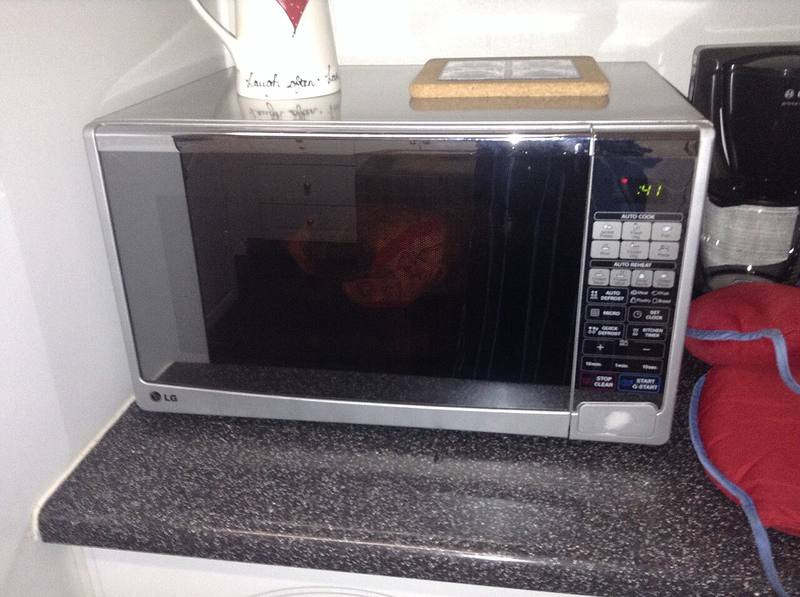
Everything we recommend
Five picks, no rankings. Each one is best for a specific buyer, and we name the trade-off of every single one.
| Your situation | Pick |
|---|---|
| Defrost meat, reheat real meals | Panasonic NN-SN686S (top pick) |
| First apartment, rental, office kitchen | Toshiba EM131A5C (budget pick) |
| Dorm, tiny counter, no space to spare | GE GCST07N1 |
| You want one box that also bakes and air-fries | Panasonic HomeChef Connect NN-CV87QS |
| Top pick is out of stock | Panasonic NN-SN65QSD (same platform, Target) |
The wattage number on the box is a bad reason to buy
The first thing nobody tells you: the wattage on the box is a bad reason to buy. Higher wattage is faster — that is all it is. A 700-watt compact gets food hot; it just takes a minute longer. What actually separates good microwaves from mediocre ones is how evenly they heat at low power, and that comes down to whether the machine has an inverter.
Traditional microwaves fake low power by switching between full blast and zero — that is why defrosted chicken comes out with cooked edges and a frozen center. An inverter delivers a genuine, continuous 50% stream, so food thaws edge to edge at the same rate. Panasonic invented the category, and its Genius Sensor line remains the reference implementation.
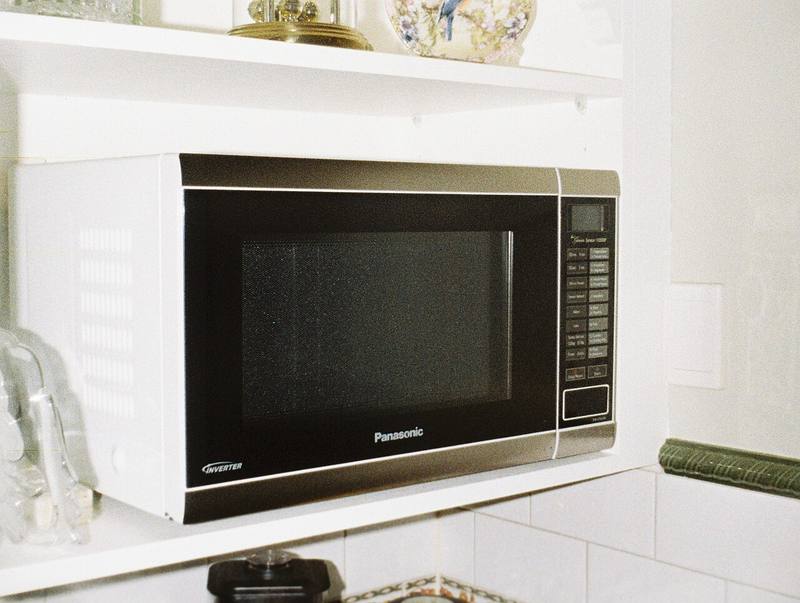
Panasonic Genius Sensor Inverter NN-SN686S — Top pick
This midsize microwave cooked more evenly than anything else in its price range, with fewer hot and cold spots on both our marshmallow test and frozen-food tests. The sensor-reheat setting is the one you will actually use: it shuts itself off when it senses the right amount of steam, so leftovers come out warm — not soup. The door opens with a big, satisfying button that is easier for anyone with limited grip. What it does not have: instant-start express keys (pressing “2” for two minutes), which some shared kitchens love. The NN-SN65QSD at Target is the same machine in a different face, and both accept an optional trim kit for a built-in look.
Key specs: 1.2 cubic feet, 1,200 watts, 20.7 × 15.8 × 12.3 inches (W×D×H), one-year warranty plus five years on the magnetron. The 12-inch turntable holds a 9-inch square casserole with handles — the dish people actually defrost in. Flaws: no instant-start keys, and the NN-SN686S sells out often; at about $260 it is also the second-most expensive machine here.
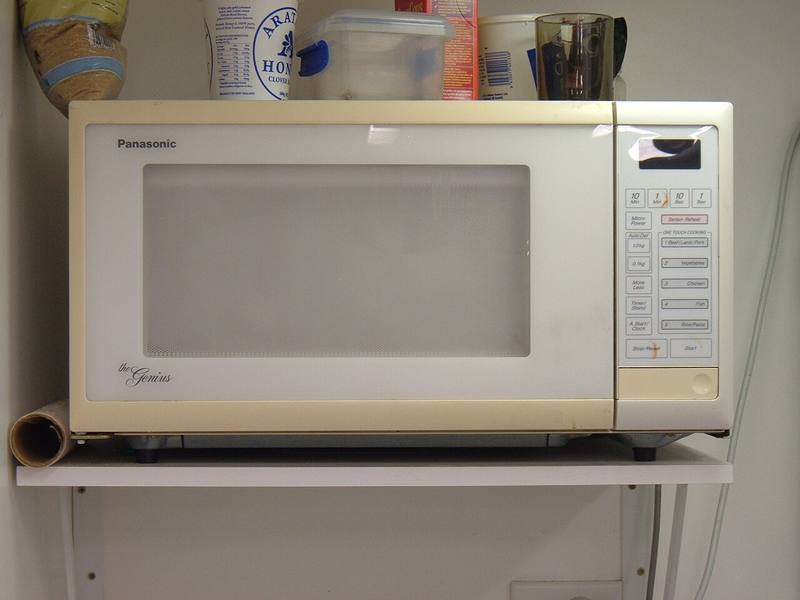
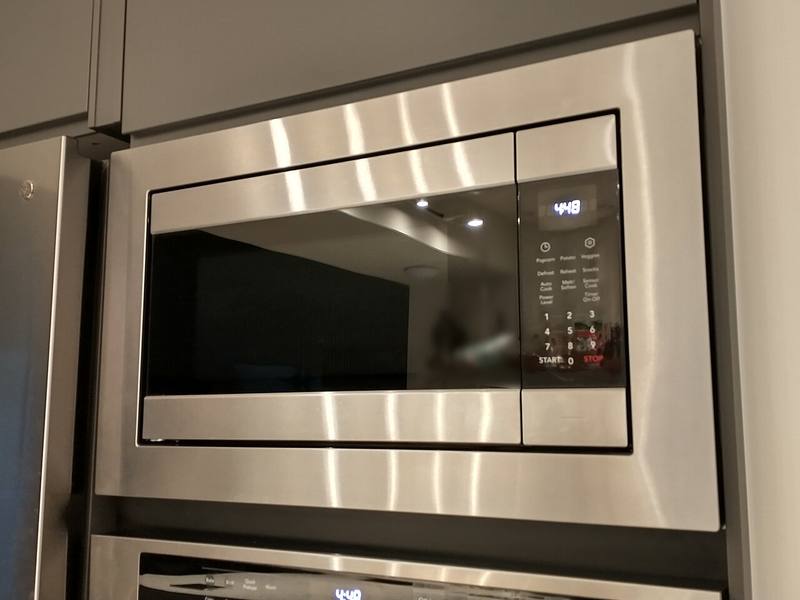
Toshiba EM131A5C — Budget pick
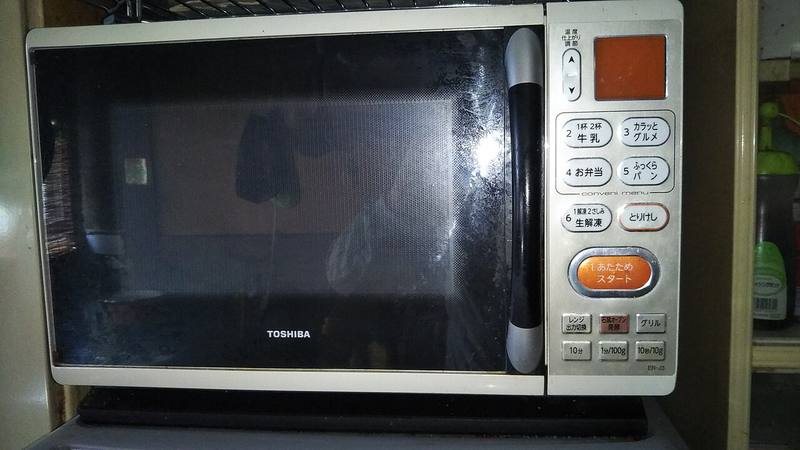
For roughly half the price of our top pick, the Toshiba EM131A5C gives you the three things you actually touch every day: instant-start keys that begin heating the moment you press a number, a door handle instead of a button, and a mute button for midnight snacks. It uses a conventional transformer rather than an inverter, so defrosting needs a bit more attention — check it halfway — and large liquid reheats come out with more edge-to-center spread. For a first apartment, a rental, or an office kitchen, that is a fair trade for the money you keep.
GE GCST07N1 — Best for small spaces
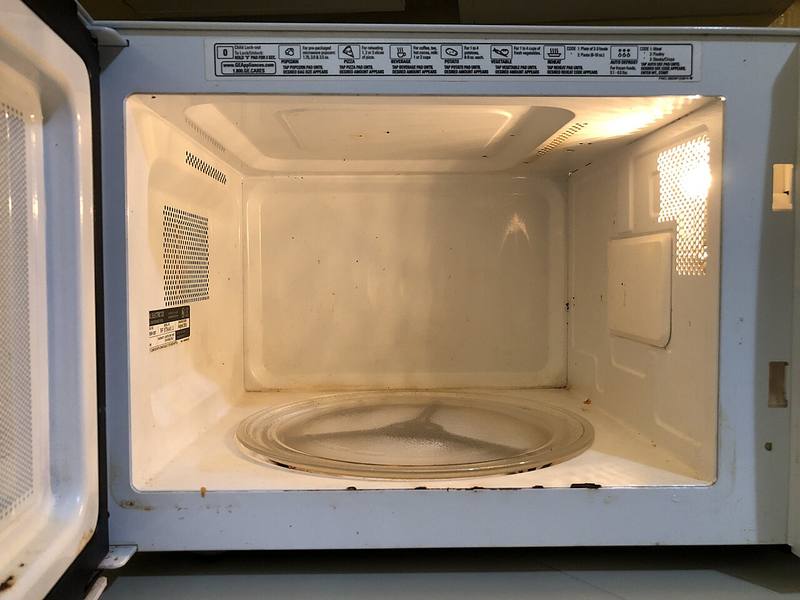
Compact microwaves usually mean flimsy doors and a turntable too small for a dinner plate. The GE GCST07N1 breaks the pattern: it is the sturdiest 0.7-cubic-foot machine we have seen, its 700 watts heat faster than several 900-watt models, and the 10.75-inch turntable still takes a full dinner plate. It comes in three finishes, and GE makes an under-cabinet version if the counter is gone entirely. The trade-off is capacity — a large bag of popcorn barely clears the walls.
Panasonic HomeChef Connect 4-in-1 NN-CV87QS — Best for convection & air frying
Most microwave-convection combos are mediocre at everything. The HomeChef Connect is the rare exception: its microwave side performs like our standalone pick, and the convection, broil, and air-fry functions are genuinely usable rather than checkbox features. The detail that matters most day to day is invisible — the heating element is concealed, so splatter wipes off instead of baking onto exposed coils. At around $500 it is a luxury, not a necessity, and it does not fully replace a dedicated air fryer.
Official product photography for the NN-CV87QS is not yet on this page; we only publish images of the real hardware. The photo will be added from the Panasonic media kit or an affiliate asset library once that source is secured.
Test the machine yourself in ten minutes
The second thing nobody tells you: you can test heating evenness yourself, in any kitchen, in ten minutes. Spread a bag of mini marshmallows across a microwave-safe plate in a single layer and run it until the first few puff. A good inverter machine puffs them all at about the same rate; a mediocre transformer model shows a cluster of inflated ones near one spot — that is your hot spot, and it will live in everything you ever cook there. This is the same physics behind the way professional testers compare machines; the mallows just make it visible.
Why you can trust this guide
We do not have a test lab, and we will not pretend otherwise. This guide is built on three things: the published methodologies of independent testers whose full guides we read end to end; manufacturer spec sheets checked against retailer listings; and the hands-on reality of the one machine most of us cook with daily. Where a claim comes from someone else’s testing, we say so. Where it is our own experience, we say that too. No affiliate commission influences which machine wins here — in fact, this guide ships without purchase links of any kind.
How we picked
We evaluated every candidate against seven criteria: heating evenness at low power (the marshmallow standard), sensor accuracy, door design (a button latch is easier to use and safer than a handle that drags the machine), turntable size versus real dinnerware, sturdiness, noise, and the manufacturer’s own track record for door-latch durability — the single most common point of failure. We excluded models without UL certification and paid no attention to preset menus: nearly every expert we read agrees that the vast majority of owners use exactly one button — add 30 seconds.
The competition
The Sharp SMC1464KS looks like our top pick and has a good sensor, but it left a noticeable cold spot in most tests. The IKEA Tillreda is handsome and simple, yet heats wildly unevenly. The popular Galanz Retro is so light it slides around the counter while running, and its thin top buckles under pressure. Samsung’s models put a grilling element on the cavity ceiling: exposed elements are brutal to clean and tend to dry food out. The Breville Combi Wave 3-in-1 and the Toshiba ML-EC42P share that same exposed-element flaw. And while GE’s midsize machines are fine, they don’t reach the Panasonic models’ evenness, with door buttons that run small and offset.
Frequently asked questions
What is an inverter microwave?
A microwave that delivers continuous power at any level, instead of cycling between full power and zero. At “50%” it truly runs at half power the whole time, which makes defrosting and delicate reheating dramatically more even.
Is a 700-watt microwave strong enough?
For reheating, defrosting, and popcorn, yes — everything reaches temperature, just about a minute slower than 1,200 watts. Seven hundred watts is only limiting if you regularly cook large frozen meals end to end.
Are convection and air-fryer microwaves worth it?
Only one combo is worth its price: pick a model whose microwave performance stands alone, and whose heating element is concealed. Even then it complements rather than replaces a dedicated air fryer.
Bottom line
Bottom line: if you defrost meat or reheat real meals, an inverter is the one feature worth paying for, and the Panasonic NN-SN686S is the cheapest machine that does it best. If your microwave life is coffee, popcorn, and leftovers, the Toshiba EM131A5C does the daily jobs for half the price. Tight on space? The GE GCST07N1 proves compact does not have to mean flimsy. Test whichever machine you bring home with the marshmallow trick in your own kitchen — ten minutes, one bag, and you will know exactly what you got.