This page contains affiliate links. If you buy through them we may earn a commission at no extra cost to you. It never changes what we recommend, and every product’s flaws are listed in full.
Your first artificial tree is mostly a fight against three things: the fluffing, the box it lives in, and what it costs per year you keep it. For a first tree we would start with the National Tree Company 7.5-foot Feel Real Downswept Douglas Fir (about $370) — it is the easiest of the genuinely good ones to live with. If you plan to keep a tree for a decade, the Balsam Hill Classic Blue Spruce ($499) is the better long-term buy; if the budget decides, the Puleo Pre-Lit Aspen Fir ($220) is the honest cheap option.
This guide is for someone buying their first tree, not their fourth. Every price below was checked in November 2026 on retailer listings, and every pick is scored on the three numbers first-time buyers actually feel: minutes to set up, closet space it eats for eleven months, and what it costs per year you keep it.
If you already know your room and your budget, start with the cards below.
Everything we recommend
| Your situation | Pick |
|---|---|
| First tree, want it easy | National Tree Douglas Fir |
| Buying once, keeping a decade | Balsam Hill Blue Spruce |
| You want the winter-catalogue look | King of Christmas Queen Flock |
| Tight corner, narrow doorway | Balsam Hill Berkshire |
| Budget decides | Puleo Aspen Fir |
National Tree Company 7.5-foot Feel Real Downswept Douglas Fir — Top pick
Roughly 1,867 branch tips, 37% of them moulded polyethylene — the highest share in this price range, and the single number that decides whether a tree survives being seen up close. Its 750 dual-colour LEDs switch between warm white and multicolour, and the PowerConnect trunk joins the light strings automatically as you stack the three sections — the one setup step first-timers most often get wrong, already done for you. Flaws: the 59-inch spread needs a genuinely large corner; and at $370 this is not a starter price, it is a keep-it price.
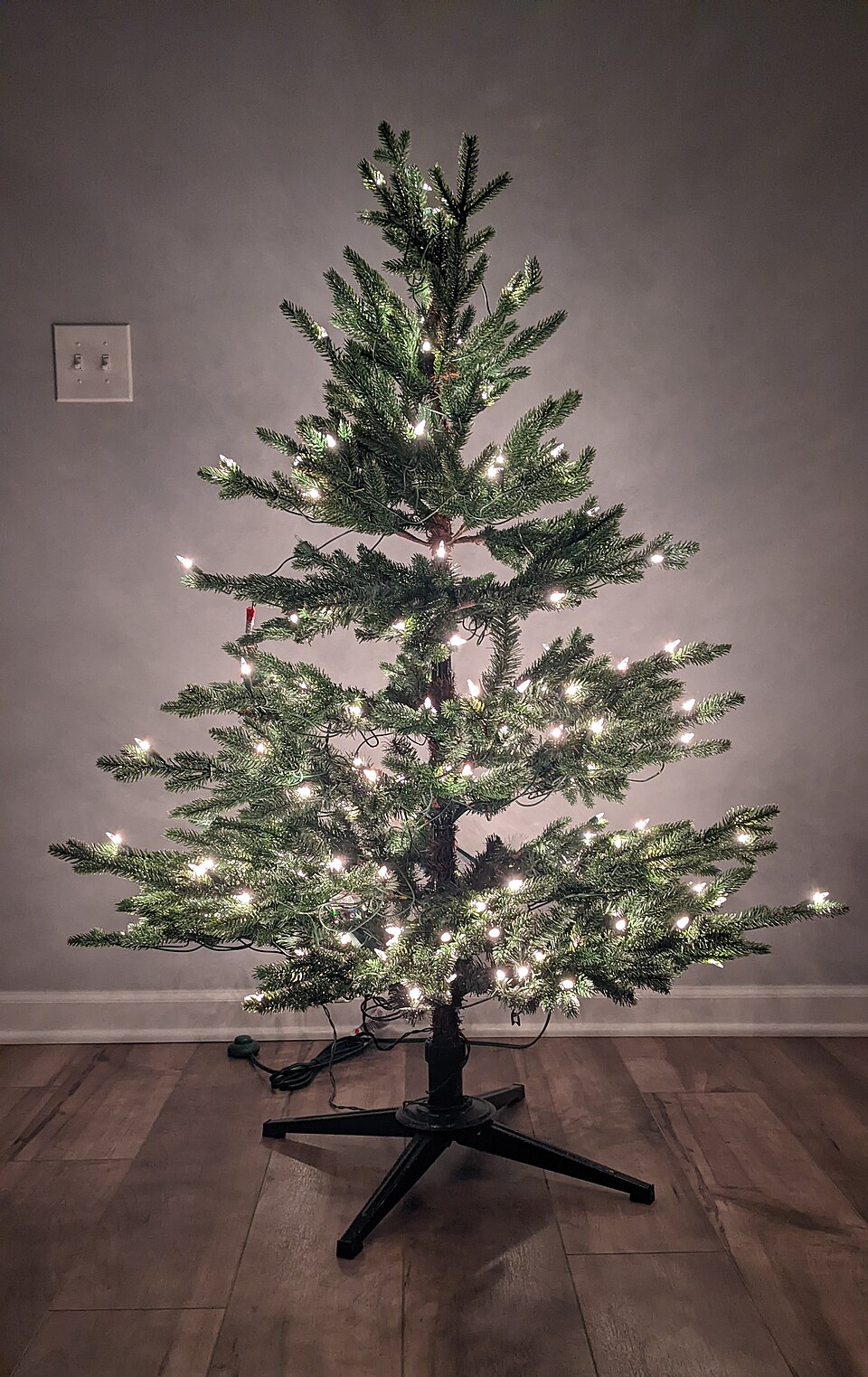
Balsam Hill 7.5-foot Classic Blue Spruce (unlit) — Best if you will keep it ten years
$499 buys better hardware than the tree needs this year: thick steel hinges and a solid centre pole that do not loosen the way cheap riveted arms do around season four. It comes unlit, which sounds like a flaw and is actually the reason it lasts — pre-strung lights are the first thing to die and the hardest to replace. Flaws: you buy lights separately, so the real first-year cost is $499 plus light strings; and at 2,960 branch tips, fluffing it is an evening, not a coffee break.
| Cost per year = price ÷ years kept | Price | Assumed life | Cost / year | Also needed in year one |
|---|---|---|---|---|
| National Tree Douglas Fir | $370 | 8 years | ≈ $46 / yr | Spare bulbs |
| Balsam Hill Blue Spruce | $499 | 10 years | ≈ $50 / yr | 2–3 light strings ($40–90) |
| Puleo Aspen Fir | $220 | 5 years | ≈ $44 / yr | None |
The trap this table exposes: the pre-lit “savings” are rented, not owned — they come back as a replacement decision around year five.
King of Christmas Queen Flock Unlit — Best flocked
Flocking is the one style that photographs better than it looks in person, and the difference between a good one and a bad one is coating density: thick enough and it survives the fluffing; sparse and it ends up on your carpet by Boxing Day. At $399 unlit it behaves like the Blue Spruce — no lights to fail, ten-year hardware. Flaws: it sheds for the first two weeks; it shows every fibre of dust in a bright room; and if your style is warm and traditional rather than winter catalogue, you will regret it by January.
Balsam Hill 7.5-foot Berkshire Mountain Fir — Best for small rooms
Slim profile, full foliage: a silhouette that fits a corner a 59-inch tree cannot, without collapsing into a bottle brush. $399, unlit, same hinge hardware as the Blue Spruce. Flaws: slim also means fewer ornaments per layer, so plan for garlands and ribbon instead of density; and check your ceiling — 7.5 feet plus a topper wants a nine-foot room.
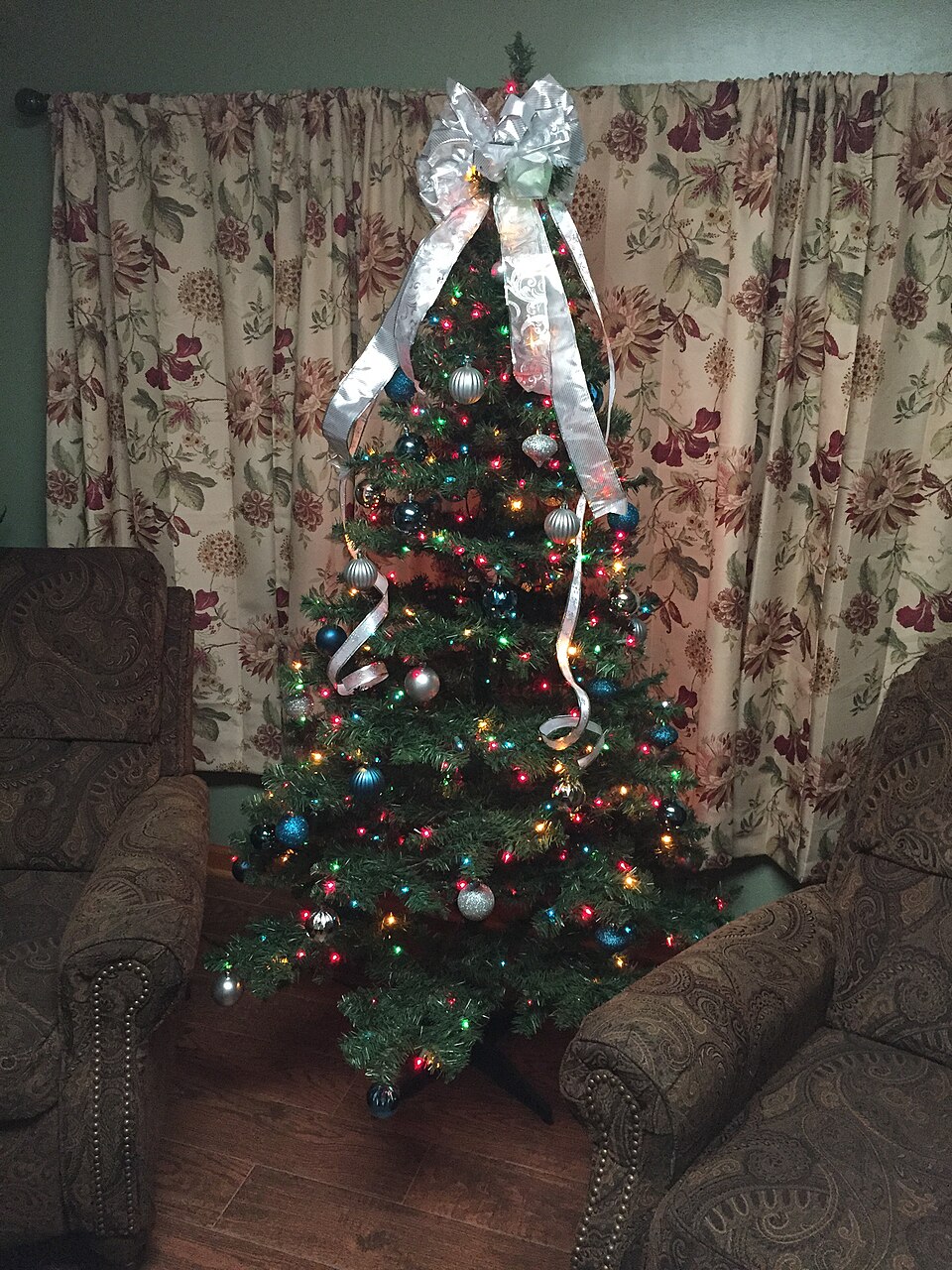
Puleo International 7.5-foot Pre-Lit Aspen Fir — Budget pick
$220 is the floor for a tree that does not look embarrassed in daylight, and this one clears it: pre-lit with warm lights, and a shaggy, casual shape that hides imperfect fluffing — which matters, because your first fluffing will be imperfect. Flaws: the light count sits below the 100-bulbs-per-foot standard; the PVC-heavy foliage is noticeably less convincing within arm’s reach; and “budget” here still means a 45-minute fluff — cheap trees save money, not time.
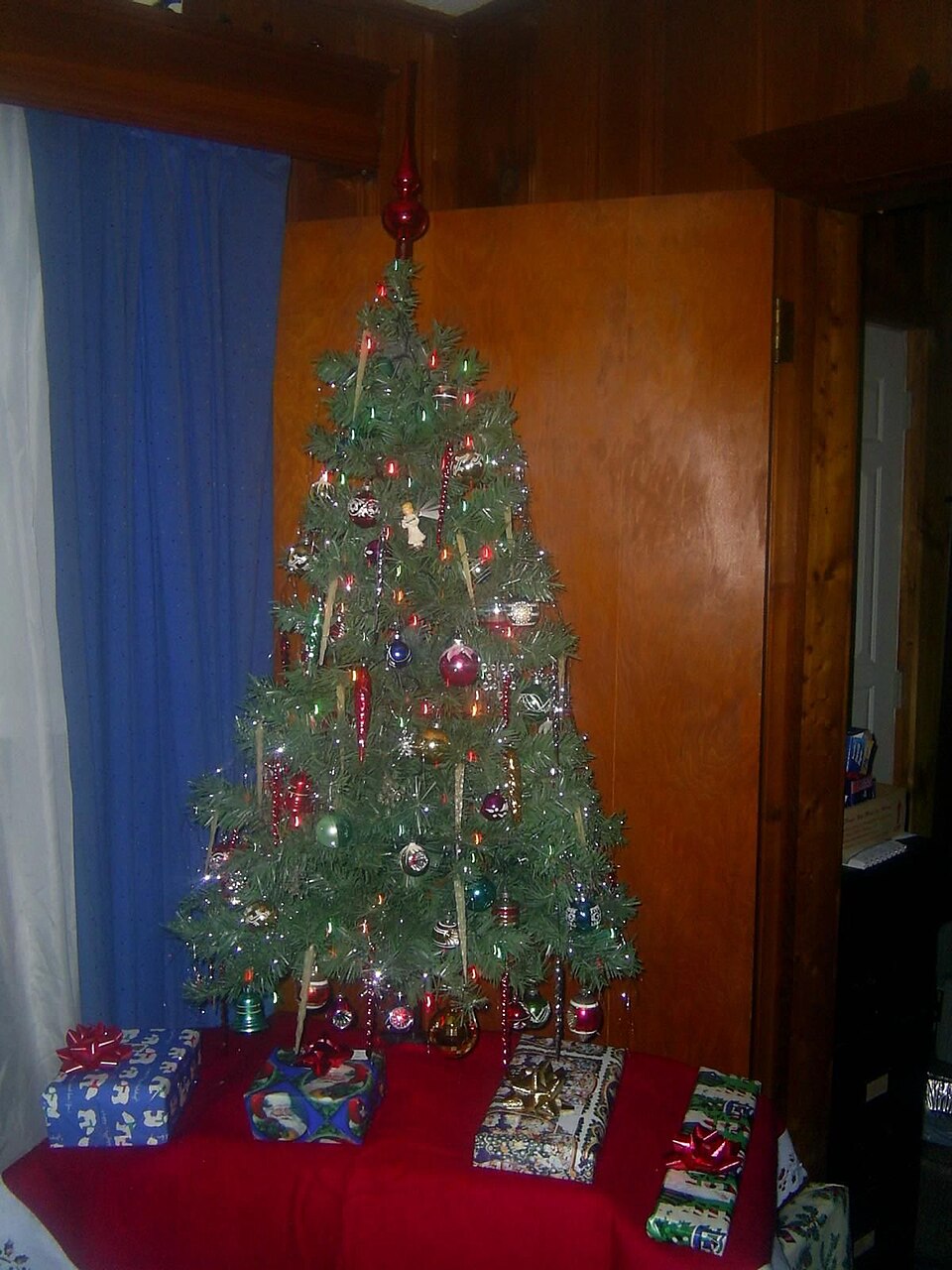
The thing nobody tells you: year one is mostly labor
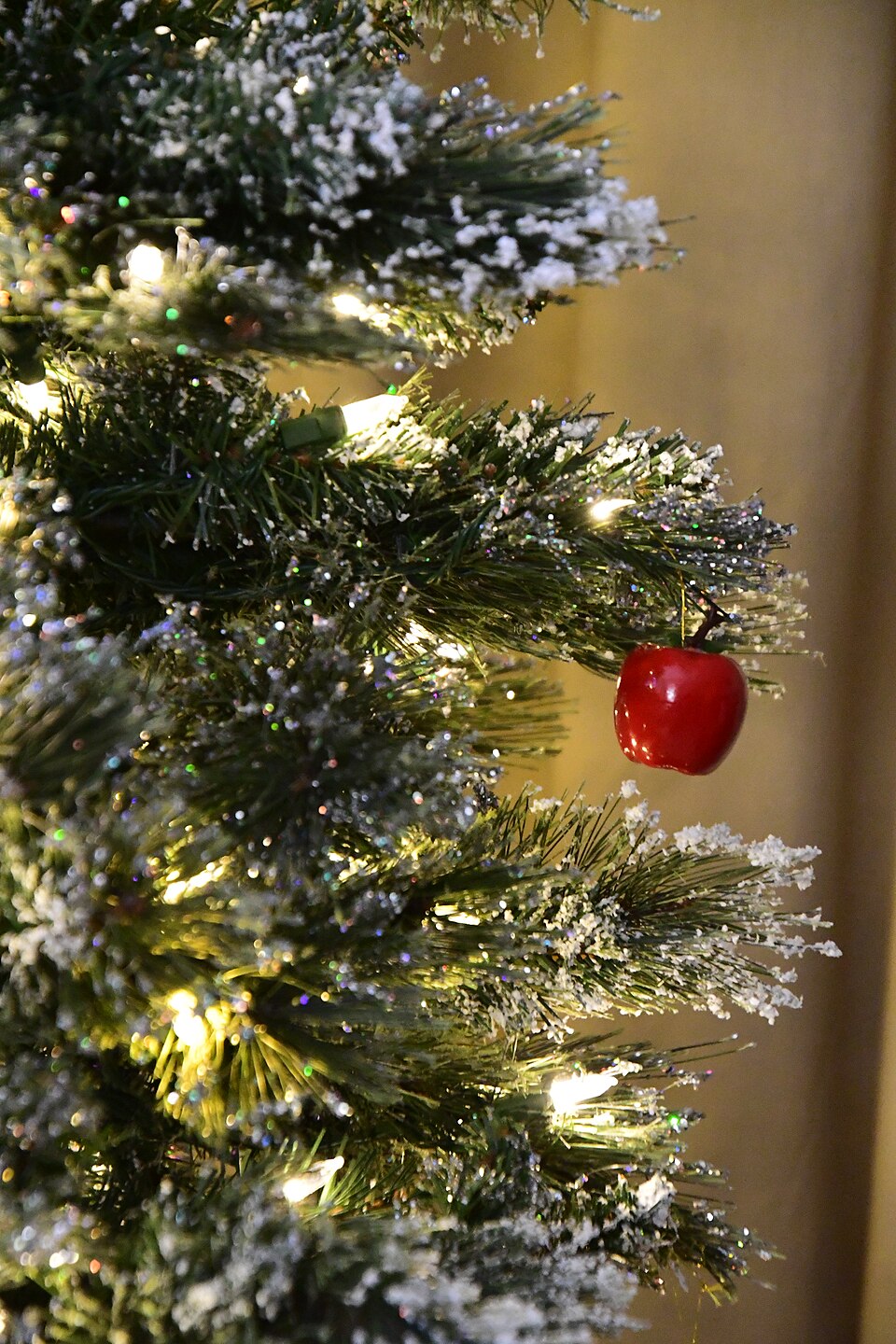
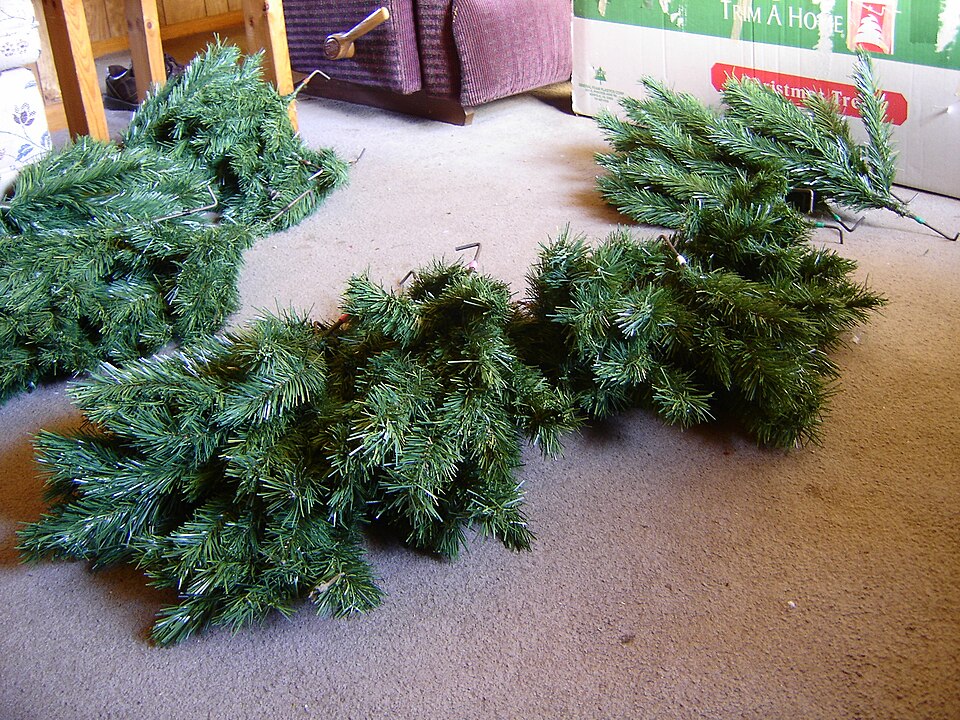
Two details decide whether a tree is pleasant or miserable, and neither is on the spec sheet. First, branch attachment: hinged branches fall into place; hook-in branches — the kind in the photo below — must be individually bent, hooked and fluffed, about ninety minutes for a 7.5-foot tree. Second, the box: a 7.5-foot tree needs roughly a four-cubic-foot bin that will occupy a closet for eleven months. Measure the closet before you buy the tree.
Why you should trust us
This guide compares manufacturer specifications, warranty terms and the failure patterns that recur across verified owner reviews — dead light sections, thin foliage, hinges that loosen — rather than repeating marketing copy. Where two retailers listed different prices for the same model, we show both. We do not accept free products, and no brand reviewed this text before publication. The fastest way to judge foliage quality is a store aisle: step back four feet, then step close. If it fails at four feet, no spec sheet will save it.
How we picked
Five requirements: (1) at least 100 lights per foot of height for any pre-lit tree; (2) at least 35% polyethylene branch tips if the tree will ever be seen from closer than four feet; (3) hinged branch attachment, not hook-in, unless you enjoy labor; (4) a documented warranty of at least three years, because season five is where cheap hardware fails; (5) a storage footprint that fits a standard closet shelf. Trees failing (1) or (2) were cut regardless of price.
Who this is for
First-time buyers with one tree, one room, and a budget they would rather not think about again until 2031. It is not for collectors, not for commercial displays, and not for anyone who already owns a good tree — you already know what you are missing; this guide will not change it.
The competition
The Puleo Royal Majestic ($460–499) has the most convincing foliage here and lost only on price and light choice: its incandescents are lovely and power-hungry, and one failed bulb does not kill the strand. GE’s Just Cut Frasier Fir is a solid alternate but carries 600 lights, below our 100-per-foot line for a 7.5-foot tree. The Home Accents Holiday Grand Fir has 2,602 tips but only 21% polyethylene — impressive across the room, unconvincing up close. And the pre-lit version of any tree on this page: convenient in year one, expensive in year five, when the first light section fails.
Frequently asked questions
How long should an artificial Christmas tree last?
A well-built unlit tree: ten years or more. The tree does not wear out — the lights and the hinge hardware do. That is why our long-term pick is unlit.
Are pre-lit trees worth it?
If you will replace the tree within five years, yes — the convenience is real. If you plan to keep it longer, no: integrated lights are the first thing to fail and the hardest to repair.
What size tree fits an 8-foot ceiling?
6.5 feet. A 7.5-foot tree plus a topper needs about nine feet of clearance. Measure the ceiling, then measure the corner’s width — a 59-inch spread is wider than most people picture.
Bottom line
Buy the National Tree if this is your first tree and you want it to be easy. Buy the Balsam Hill if you are buying once for the next decade. Buy the Puleo if the budget decides. And whichever you choose, measure the closet before the tree arrives.